20 Minute Leaders – Daily talks with incredible leaders around the world. Join us for 20 minutes, every day at 10am PST / 8pm ISR. Michael Mathias, Host
Ep961: Steven R. Gerbsman Managing Principal, – Gerbsman Partners
🧍 Steven R. Gerbsman is a nationally recognized Crisis/Turnaround CEO/Restructuring Professional and Private Investment Banker who has been involved in maximizing enterprise value, stakeholder and shareholder value in a broad variety of industries. He has worked with a wide spectrum of senior and junior lenders, bondholder groups, venture capital and private equity sources, private investors and institutional groups.
He has acted in the capacity of Crisis/Turnaround CEO, Chief Restructuring Officer, Crisis Consultant, Private Investment Banker, Examiner for the Office of the United States Trustee, a member of the Board of Directors of various companies and Advisor to stakeholder groups.
Gerbsman Partners has successfully maximized the values of 115 companies in a wide and diverse spectrum of industries, ranging from technology, medical device/life science, digital marketing to cyber security, to name only a few.*
In the process, GP has successfully restructured/terminated over $810 million of real estate executory contracts and equipment lease/sub-debt obligations, and has assisted in over $2.3 billion of financings, restructurings and M&A transactions.*
Gerbsman Partners has offices and strategic alliances in San Francisco, Orange County, Boston, New York, Washington DC, McLean, VA, Europe and Israel.
https://youtu.be/jbkzG2q8PxY – You Tube video link to Steven R. Gerbsman presentation
Steven R. Gerbsman
Principal
steve@gerbsmanpartners.com
https://gerbsmanpartners.com

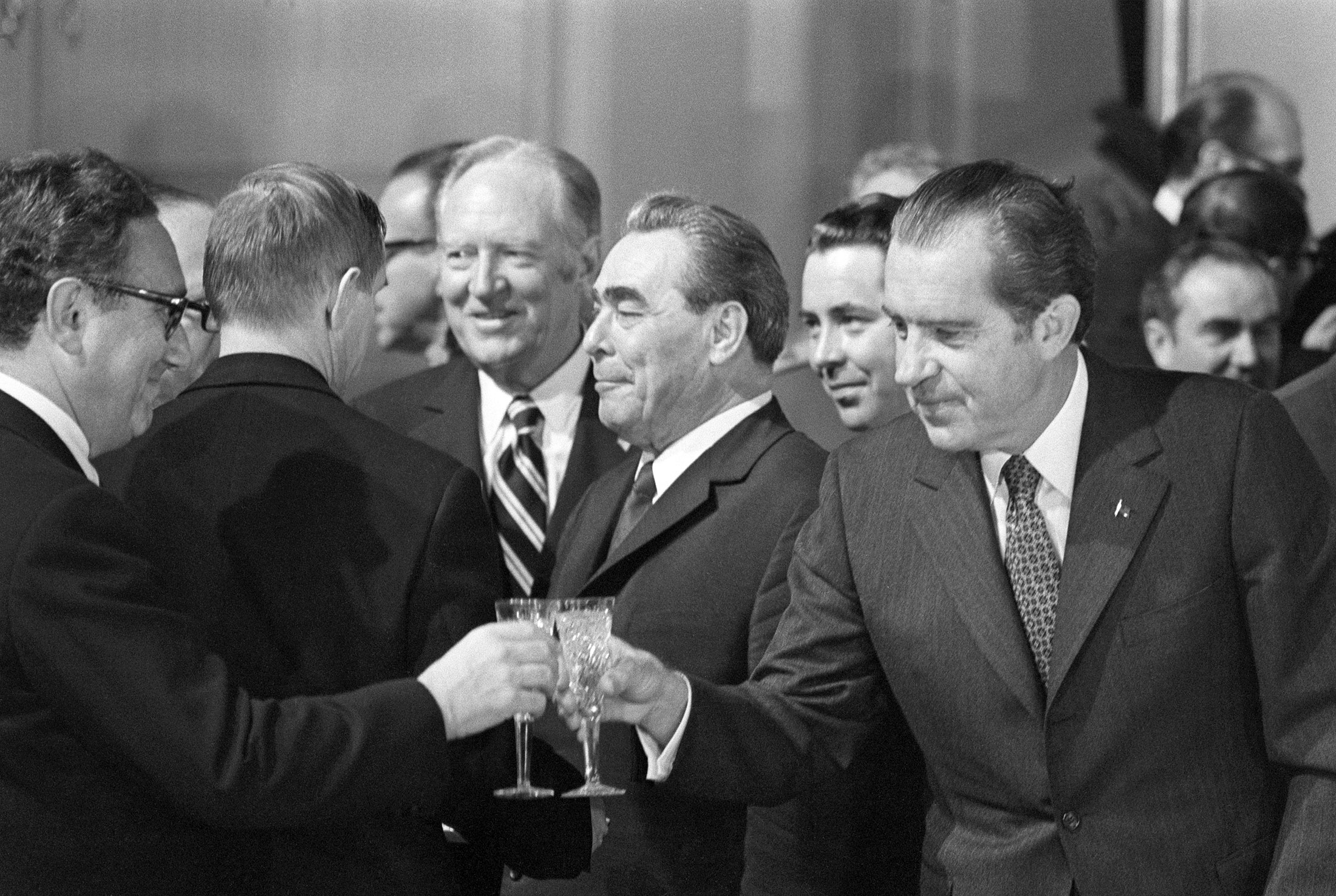 President Richard Nixon and Kissinger in Moscow in 1972 after signing of a strategic-arms limitation agreement with Soviet leaders. Photographer: Bettmann/Getty ImagesGermany’s Role. Europe’s political center of gravity is moving inexorably toward Germany, presenting Berlin with a fresh challenge over how to wield that power, Kissinger said.
 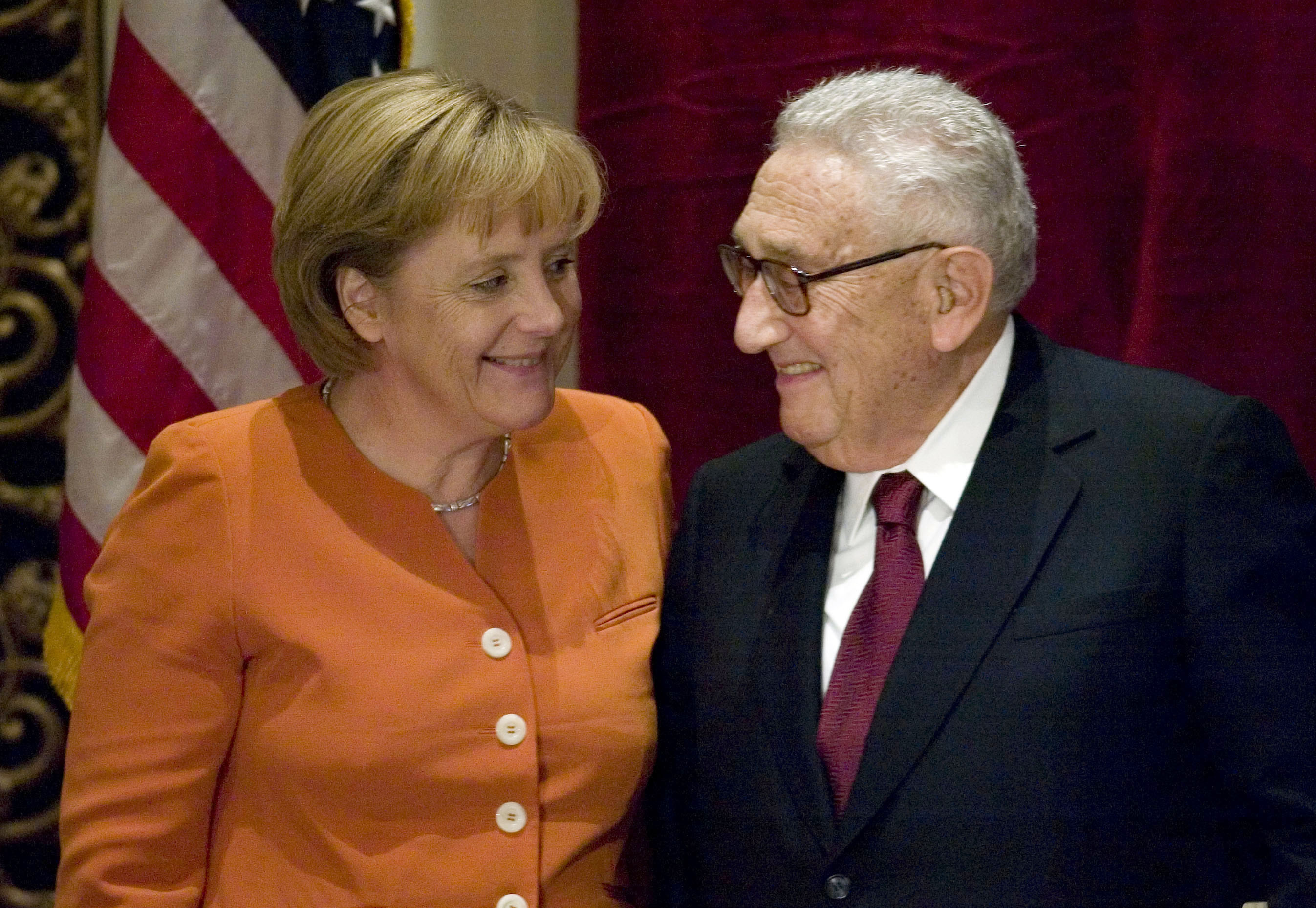 German Chancellor Angela Merkel greets Kissinger during the Appeal of Conscience World Statesman Award ceremony in New York in 2007. Photographer: Jin Lee/BloombergBritain’s Future. “Psychologically” the UK outside the European Union is now better placed to burnish ties with the Americans than a country like France that remains inside the bloc,
 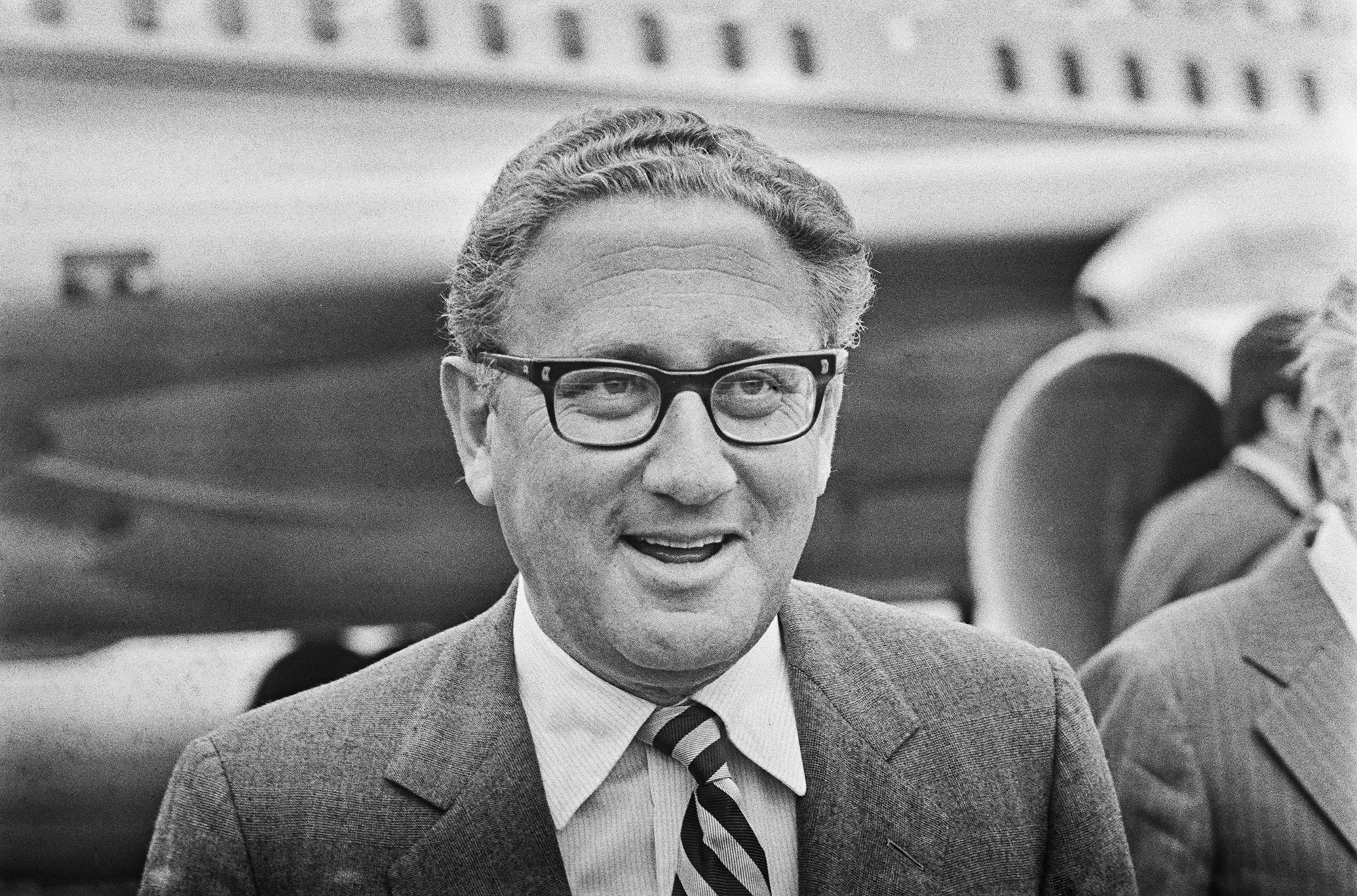 Kissinger at Heathrow Airport in London in 1972. Photographer: Evening Standard/Hulton Archive/Getty ImagesIndia Rising. While
 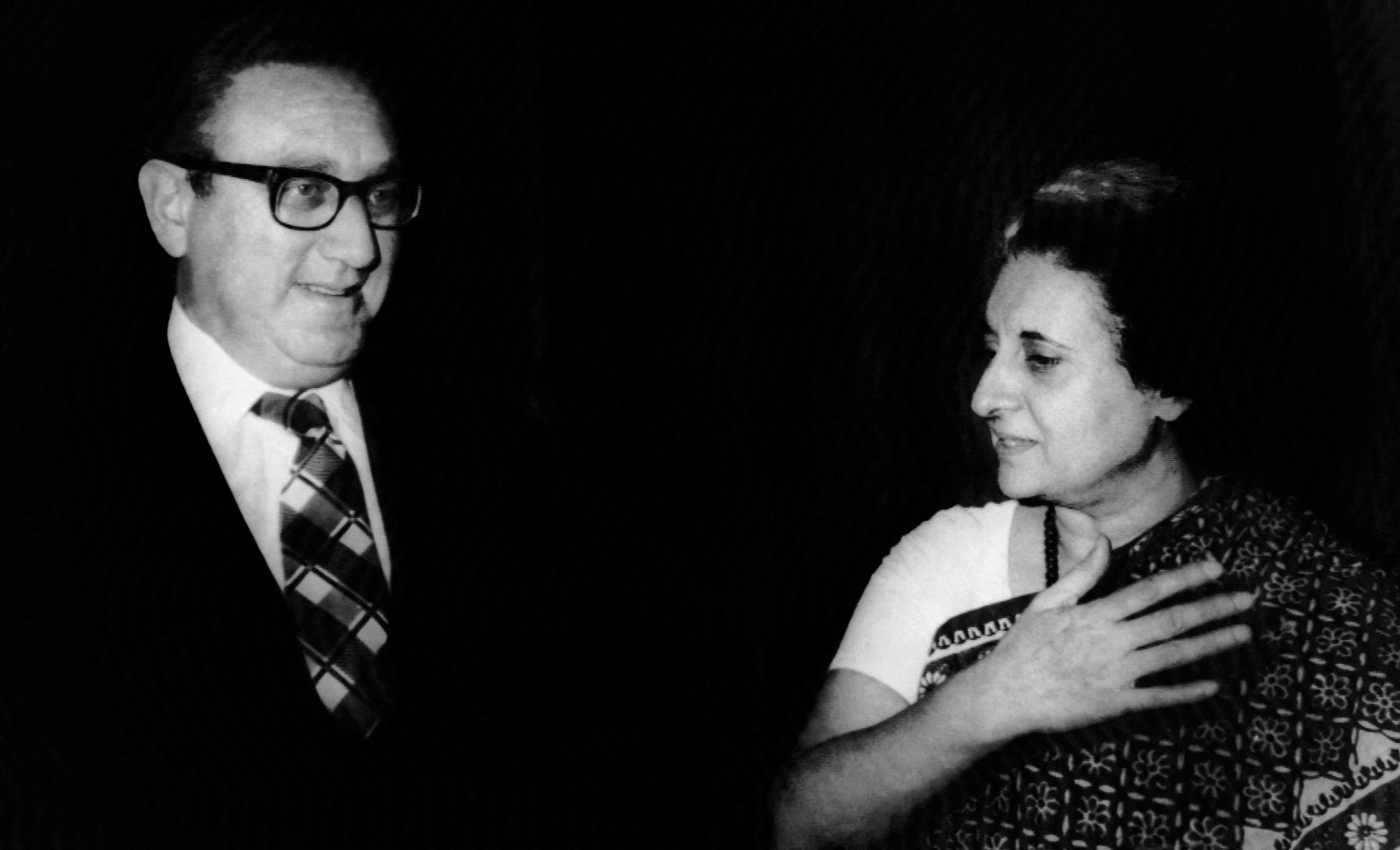 Kissinger meets Indian Prime Minister Indira Gandhi in New Delhi on Oct. 28, 1974. Photographer: AFP/Getty ImagesAmerica Divided.
 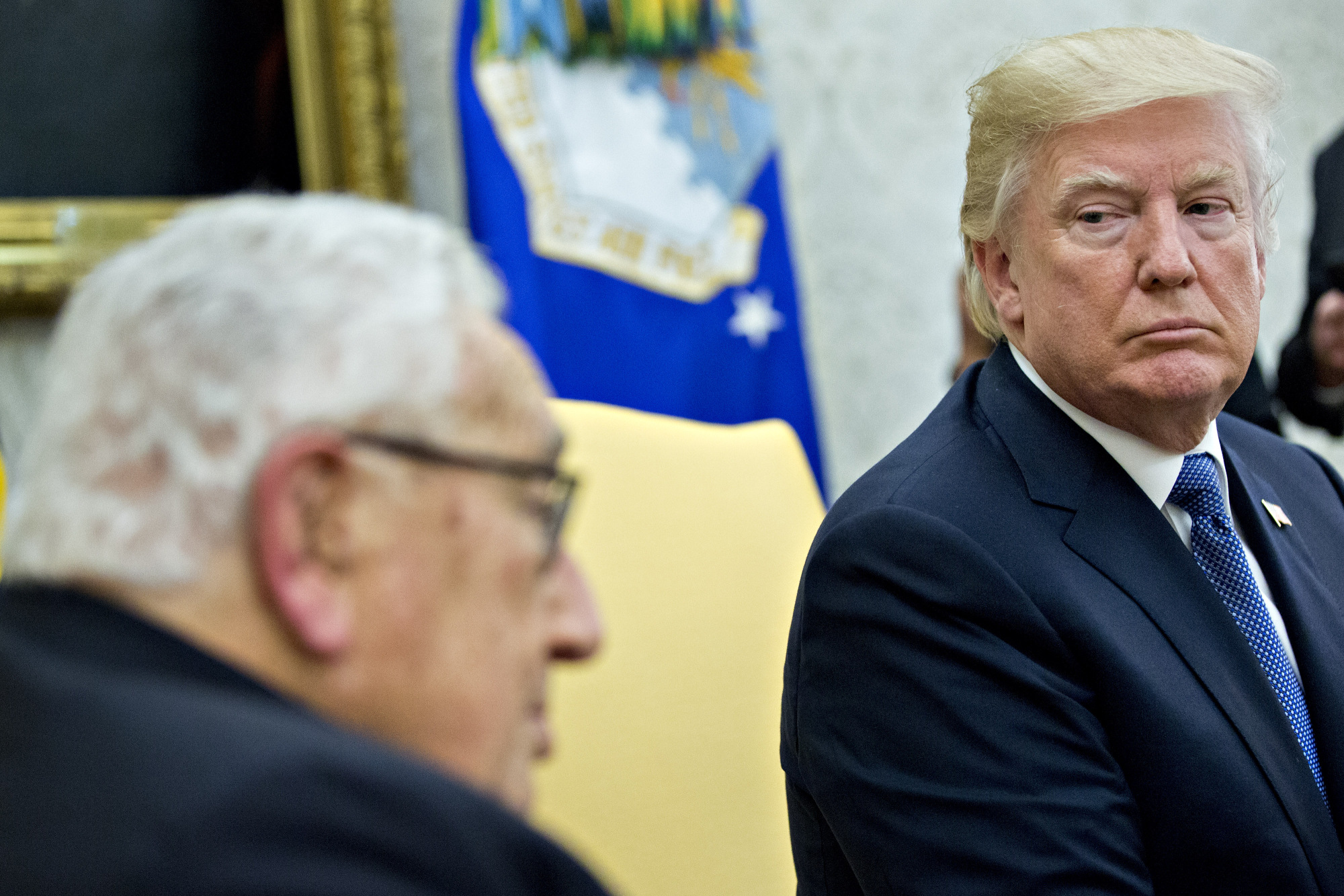 President Donald Trump listens as Kissinger speaks during a meeting in the Oval Office on Oct. 10, 2017. Photographer: Andrew Harrer/BloombergWithdrawal from Vietnam. He pushed back against criticism over his handling of the Vietnam War, saying Presidents Richard Nixon and Gerald Ford, under whom he served as national security adviser and secretary of state, made the best of a difficult situation after inheriting massive commitments of US forces and facing public opposition to the conflict. “I honestly believe we did the best we could,”
  Kissinger delivers a eulogy at the state funeral of Ford at the National Cathedral in Washington on Jan. 2, 2007. Photographer: Dennis Brack/BloombergPostscript … At the end of the interview,
  Blog of Intellectual Capital